Metal Processing Services
We work with a wide range of metals, including various grades of stainless steel, aluminum, titanium, magnesium, Inconel, maraging steel, molybdenum, copper, and brass. With our wide range of materials and processing expertise, we are able to support a large variety of geometries and shapes to precisely manufacture your design!
Certification ISO 9001:2015
高品質への取り組み
245,000+
Annual Production Volume
200+
Wide Range of Materials


What is Metal Processing
Metal Processing Overview
Available Surface Treatments
Available Surface Finishes
Important Considerations for Metal Processing
Metal Processing Overview
Metal processing refers to all types of operations that alter the shape and properties of metal materials for a wide variety of products. There are many processing methods, including machining, sheet metal fabrication, and 3D printing. Typically, the shape of a product is formed through machining or sheet metal processing, and its properties are enhanced through surface treatments such as anodizing or plating.
While metal processing allows for the creation of products that take advantage of the strength and heat resistance of metals, it is also technically demanding. In particular, materials that are difficult to machine require significant time, specialized equipment, and advanced machining techniques.
Metal materials generally have high strength and heat resistance
There are a wide variety of material types to suit various applications
There are also a wide variety of surface treatments available
Various processing methods are available to support most designs

Metal Processing Overview
Available Surface Treatments
Available Surface Finishes
Important Considerations for Metal Processing
Available Surface Treatments
After the processing of the product is completed, surface treatments such as anodizing can be applied to enhance the product’s performance and value.
Anodizing
Alodine Treatment
Electroless Nickle Plating
Hard Chrome Plating
Black Oxide Coating
Trivalent Chromate Treatment
Plating

Metal Processing Overview
Available Surface Treatments
Available Surface Finishes
Important Considerations for Metal Processing
Available Surface Finishes
After the processing of the product is completed, surface treatments such as anodizing can be applied to enhance the product’s performance and value.
Buff Polishing
Tumbling
Sandblasting
Mirror Finish
Hand Polishing
Metal Processing Overview
Available Surface Treatments
Available Surface Finishes
Important Considerations for Metal Processing
Important Considerations for Metal Processing
Metals are materials with excellent strength, but they tend to be challenging to process. In particular, metals known as difficult to machine materials have very high hardness and some undergo work hardening during machining. These materials require extended processing time, which increases the cost. Additionally, certain materials, such as magnesium, pose a fire risk during machining.
Difficult to machine
Difficult to machine materials have high processing costs
Some materials require caution due to the risk of accidents during processing
Our Manufacturing Services
CNC Machining
CNC Milling | CNC Turning
CNC machining uses cutting tools to precisely remove material from resin or metal workpieces to achieve a desired shape. CNC machining is an excellent option for precise, strong parts with a superior finish.
3D Printing
FDM | SLS | SLA
3D printing uses 3D data to precisely build up material layer by layer to form a three-dimensional object. 3D printing is a versatile option for early prototyping and has great design flexibility.
Support
Free consultations available from the concept stage. Materials, processing methods, and more. Our goal is to be your partner from the beginning, and we can support you with drawing/data creation to free up your valuable time.
Metal Processing Materials
Aluminum
Aluminum is a versatile metal material that is lightweight and boasts excellent strength. It also has high thermal and electrical conductivity, making it ideal for use in heat exchangers and electronic components.
Aluminum is also highly valued for its toughness and resistance to shattering at low temperatures. This makes it a preferred material for parts in artificial satellites and cryogenic plants. Additionally, because aluminum is non-toxic and odorless, it's widely used in a variety of applications, including machine and equipment parts to everyday household items.
High strength
Lightweight
Excellent cold resistance
High thermal and electrical conductivity
Hygienic

Stainless Steel
Stainless steel is an alloy steel created by adding chromium and nickel to iron. It's a material with excellent strength, corrosion resistance, and heat resistance. The passive film formed on its surface by the addition of chromium protects its interior. It also has low thermal conductivity, so heat doesn't easily transfer through it.
The crystal structure and properties of stainless steel change depending on the proportion of alloying elements added during manufacturing and the temperature of heat treatment. There's a very wide variety of stainless steel types, allowing for their use in a broad range of applications such as misc. parts, construction materials, and everyday household items.
High strength
Excellent corrosion resistance
Excellent heat resistance
Low thermal and electrical conductivity
Hygienic

Copper
Copper is a metal with the second highest thermal and electrical conductivity, after silver. It is utilized as a conductive material and heat dissipation material in electronic equipment components and heat exchangers. It is a completely non-magnetic metal, which is a key reason why copper is used in the field of electrical and electronic engineering.
Moreover, copper possesses antibacterial performance that surpasses general antibacterial effects. When microorganisms adhere to the surface of copper, it destroys their cell membranes, killing bacteria and viruses. Similar to aluminum, it can be used at extremely low temperatures without shattering.
Non-magnetic
Excellent cold resistance
Very high thermal and electrical conductivity
Antimicrobial properties
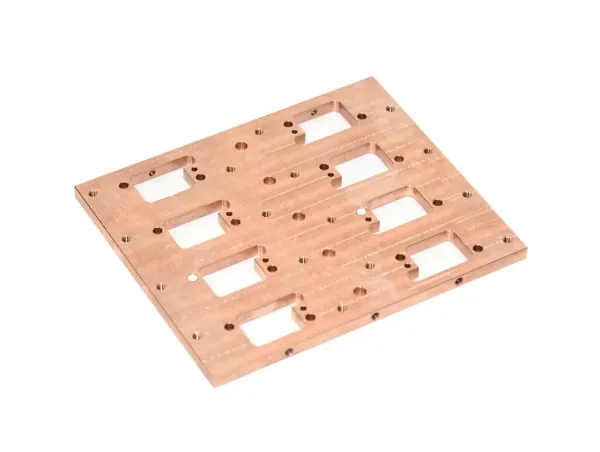
Brass
Brass is an alloy of copper and zinc, known for its distinctive golden color and excellent workability. It is widely utilized for its good machinability, corrosion resistance, and aesthetic appeal in a variety of applications, including musical instruments, decorative items, and precision parts. Its excellent workability makes it a preferred material for complex geometries.
While not as conductive as pure copper, brass still offers moderate electrical and thermal conductivity, making it suitable for certain electrical connectors and fittings. It also exhibits a degree of antimicrobial properties, similar to copper, contributing to its use in sanitary applications and door hardware. Additionally, brass is easily recyclable.
Excellent workability and machinability
Good corrosion resistance
Aesthetically pleasing golden color
Moderate electrical and thermal conductivity
Antimicrobial properties
Titanium
Titanium is a metal material that is lightweight and possesses excellent specific strength and heat resistance. Its melting point is approximately 1668°C (3034°F), which is higher than common materials like aluminum, copper, and stainless steel, allowing it to exhibit stable properties even in extremely high-temperature environments.
Additionally, titanium is chemically active, and when exposed to oxygen in the air, it forms an oxide film. This titanium oxide film protects the interior, resulting in high corrosion resistance. Also, it is a highly biocompatible metal and is unlikely to cause metal allergies, leading to its use in medical devices and treatment instruments.
Lightweight and high strength
Excellent corrosion resistance
Excellent heat resistance
Low thermal and electrical conductivity
Highly biocompatible

Molybdenum
Molybdenum is a high-melting-point metal with a melting point of approximately 2620°C (4748°F) and a boiling point of approximately 4650°C (8402°F). It ranks as the 5th highest melting point among metal materials, making it a suitable material for use in ultra-high temperature environments. Molybdenum maintains high strength even under high temperatures.
Additionally, it has a low coefficient of linear thermal expansion, providing excellent dimensional stability at high temperatures. In addition to being used as a material for machining, it is also utilized as an additive metal in alloys. Alloys with added molybdenum gain improved hardness and resistance to deformation. Molybdenum also has relatively high thermal conductivity, approximately 142 W/(m·K) at 20°C (68°F).
High hardness
Excellent heat resistance
Excellent acid resistance
High thermal conductivity

Magnesium
Magnesium is the lightest of all practical metals and possesses excellent specific strength. With a specific gravity of 1.74 g/cm³, it is approximately two-thirds the weight of aluminum (2.70 g/cm³), another lightweight metal. Due to its high strength-to-weight ratio, it is used in various parts with the aim of reducing product weight. Magnesium also has good machinability, making it suitable for processing into precision parts. Its melting point is 650°C (1202°F), similar to aluminum.
Additionally, magnesium boasts the highest vibration absorption capacity among practical metals and has electromagnetic shielding capabilities, exhibiting a stable shielding effect of 90-100 dB in the 30-200 MHz band.
Lightweight and high strength
Good machinability
Lightest of all practical metals
High thermal and electrical conductivity
Stable electromagnetic shielding performance

Inconel
Inconel® is a high-nickel alloy known for its excellent strength and corrosion resistance in high-temperature and high-stress environments. It primarily consists of nickel, along with iron, chromium, niobium, and other elements. Chromium forms a robust passive oxide layer on the surface, providing superior corrosion resistance. It maintains high strength in high-temperature environments up to 700°C (1292°F).
Excellent heat resistance
Excellent mechanical strength
Low thermal conductivity
Excellent corrosion resistance
Exhibits high hardness, oxidation resistance, and corrosion resistance at high temperatures

Maraging Steel
Maraging steel is an ultra-high-strength steel that is a low-carbon 18% nickel alloy with added elements such as cobalt (Co), molybdenum (Mo), titanium (Ti), and aluminum (Al), which undergoes age hardening. It is a rare metal material that combines high hardness with high toughness and is used in aerospace fields such as rockets and artificial satellites. Heat treatment can improve its hardness, tensile strength, and yield strength.
Excellent hardness
Excellent toughness

Why Choose Us for CNC Machining?
Instant Quoting
Our team strives to turn around quotes within 2 hours during normal business hours. Also, all sales staff receive real-world training to understand materials and processes in order to accurately quote every time.
Fast Delivery
Your priority is our priority, so our clock starts from when you send us your drawings or data. In some cases, we have been able to ship parts within 1 day and we have dedicated capacity available for emergency orders.
Wide Range of Materials
With over 200 different types of materials available, we are ready to support even your most challenging projects.
Excellent Technical Capabilities
Our world-class team of Engineers and Sales staff have the required knowledge to support even the most difficult challenges quickly and efficiently. Additionally, we have a wide range of manufacturing and inspection equipment to support a wide variety of customer needs.
Free Consultations
If you have any technical questions or concerns, our team is here to help. Our team will gladly offer a free consultation to support your design and functionality needs.
Advanced Inspection
Our company has the right tools and talent to ensure parts are compliant before shipping. Our Machine Operators as well as our Quality Engineers take care to carefully examine the part requirements and we use advanced inspection equipment in-house before shipment.
How to Work With Us
Upload a File
To provide the most accurate quote and solution, we begin by gathering detailed information about your project requirements.
Get a Quote
Based on the consultation, we provide a quote and tailored proposal.
Machining Begins
Once the order is confirmed, we immediately begin production arrangements.
Parts are Shipped
All products are carefully packaged to prevent any damage during shipping.
Examples of what can be made with Metal Processing
Bracket(A5052)
Holder(A6061)
Flange(SS400)

Frame(SUS)

Impeller(AlSi10Mg)

Cover(A5052)
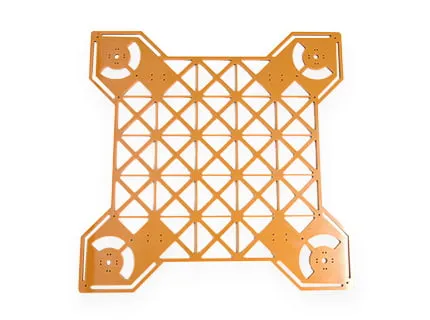
Plate(Bakelite)

Gear(MC602ST)

Housing(MC703HL)

Cap(ULTEM1010)
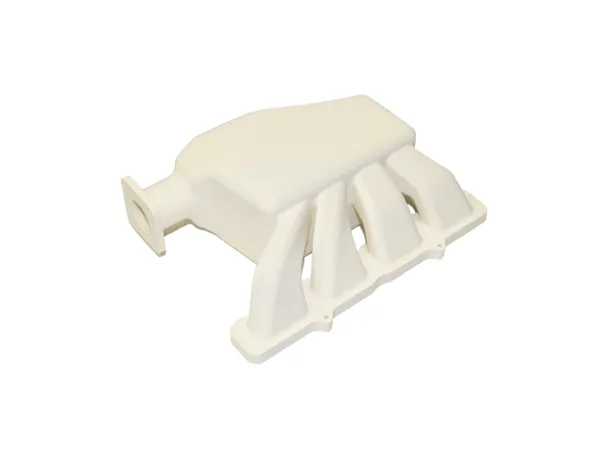
Manifold(PC-ABS)

Pin(SUS630)

Bolt and Nut(PVC)

Shaft and Axle(SUS304)

Lifter(SUS304)

Support(SS400)
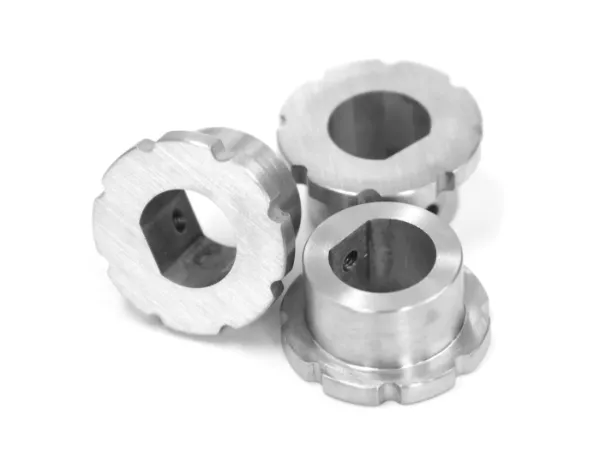
Sleeve(SUS303)

Roller(PA6)

Pipe(Epoxy)

Arm joint(A7075)

Boring head(S45C)

Frame and Stay(MC801)
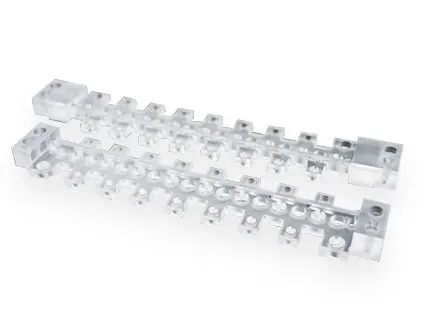
Link and Rod(PC)

Guide and Block(A7075)

Claw and Clamp(S45C)
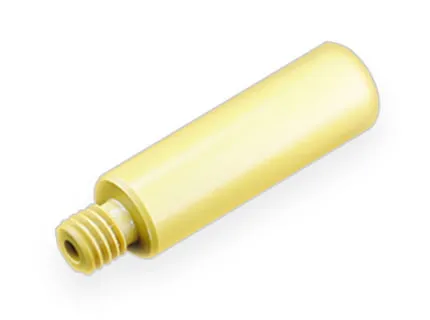
Plunger(PAI)

Gauge(PE)

Jig part(MC602ST)

Fitting and Cylinder(PVC)

Fixture(Redwax)

Palette(PA6)